Professors Caught Admitting They Hide DEI Agenda at American Psychological Association Conference
August 3, 2026
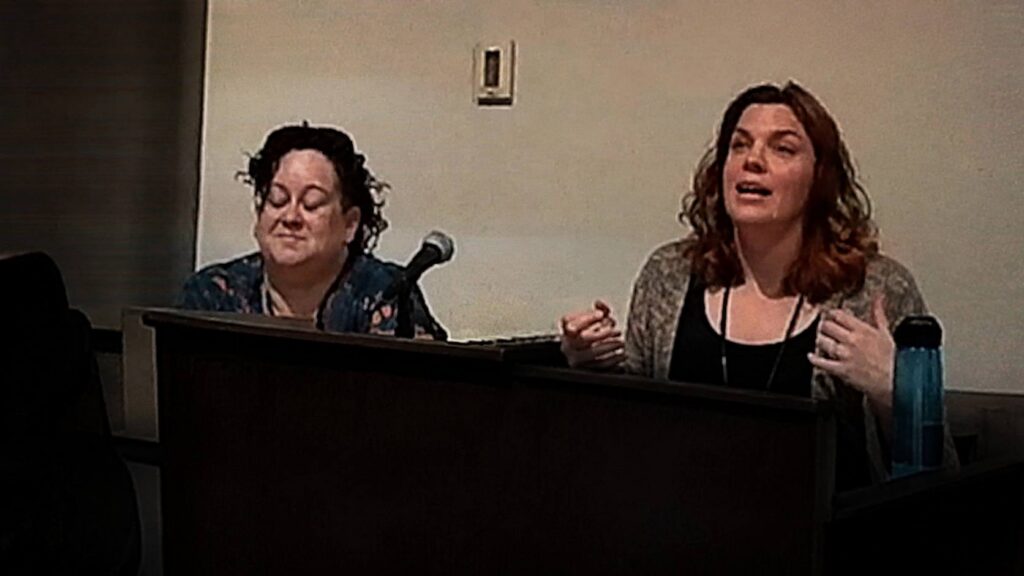
The American Psychological Association’s annual conference should be focused on improving mental health care. Instead, Accuracy in Media investigators uncovered professors openly discussing how to conceal political activism in the classroom, disguise DEI initiatives with sanitized language, and shield controversial content from criticism by invoking APA guidelines.
The admissions raise serious questions about whether ideological activism is being embedded into the education of future mental health professionals.
During the APA’s “Cross-Radical Solidarity” session, University of Louisville Associate Professor Samuel Beasley described weaving social justice issues into clinical coursework while using professional ethics as cover.
Rather than presenting activism directly, Beasley said he embeds it into counseling case studies.
“If I embed it in a clinician situation and connect it to our values as counseling psychologists, then I have a much clearer path.”
He explained that students can be assigned case studies involving political or social issues under the guise of ethics and multicultural counseling.
When discussing how to respond to criticism, Beasley advised relying on APA standards to make objections more difficult.
“When someone wants to challenge them… you say they’re challenging our values as a field… I usually just use the APA ethics code, the APA multicultural guidelines.”
The strategy, he suggested, allows instructors to advance ideological content without presenting it as overt political instruction.
The session comes as the APA continues to face controversy over allegations of anti-Israel and anti-Jewish hostility within the organization. Members have reported harassment at APA events because of their Jewish faith, and have pointed to inflammatory rhetoric from former APA leadership surrounding Israel and the October 7 terrorist attacks such as calling Hamas terrorists “martyrs.”
At the APA session “Future of Diversity at Work,” professors acknowledged changing language—not ideology—to keep DEI initiatives alive.
Melissa R. Jenkins of Washington State University said grant proposals had to be rewritten using different terminology.
“We had to rewrite our grant using the non-triggering language.”
Jennifer L. Wessel, Professor and Director of Graduate Studies at the University of Maryland, said opponents are not being fooled by the wording changes because the underlying agenda remains the same.
“I think the people who are against what we are doing are against the content, not the words.”
Wessel also described advising a researcher to remove “DEI” from a paper’s title so she “would not get deported” while making clear the substance of the research would remain unchanged.
Accuracy in Media has repeatedly exposed universities attempting to preserve DEI programs despite state and federal restrictions. The APA conference reveals the same strategy is now being discussed within the training of future psychologists and mental health professionals.
Patients seeking mental health care should not have to wonder whether their counselor was trained to provide evidence-based treatment or ideological instruction.
Take action today at NoPoliticsInHealthcare.com to send a message directly to the conference’s sponsors and the leadership of the universities represented at the event. Radical politics have no place in America’s health care system.